 PLLT-Cross-Linguistic Influenced and Learner Language.pptx PLLT-Cross-Linguistic Influenced and Learner Language.pptx |
 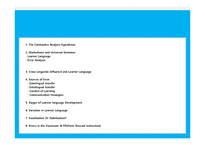  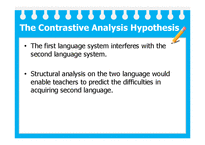  |
목차 1. The Contrastive Analysis Hypothesis 2. Markedness and Universal Grammar - Learner Language - Error Analysis 3. Cross-Linguistic Influencd and Learner Language 4. Sources of Error - Interlingual transfer - Intralingual transfer - Context of Learning - Communication Strategies 5. Stages of Learner language Development 6. Variation in Learner Language 7. Fossilization Or Stabilization? 8. Errors in the Classroom & FFI(Form-focused instruction) 본문 The Contrastive Analysis Hypothesis The first language system interferes with the second language system. Structural analysis on the two language would enable teachers to predict the difficulties in acquiring second language. It is quite common to detect where the speaker is from just by listening to his/her accent. e.g.) French Ladies and gentlemen -Ladies and zentlemans The great honor -ze grade hooneur (중략) Corder's (1973) 4 Stages of Second Language Development 1. Random Error(Presystematic): Vaguely aware that there is systematic order. Stage of experimentation and inaccurate guessing 2. Emergent: In consistency in linguistic production. Begin to internalize certain rules. 'U-shaped learning'. Unable to correct errors when they are pointed out. Avoidance of structures and topics. 키워드 중략 |
2016년 8월 20일 토요일
PLLT-Cross-Linguistic Influenced and Learner Language
PLLT-Cross-Linguistic Influenced and Learner Language

피드 구독하기:
댓글 (Atom)
댓글 없음:
댓글 쓰기